Publication•September 18, 2023
free
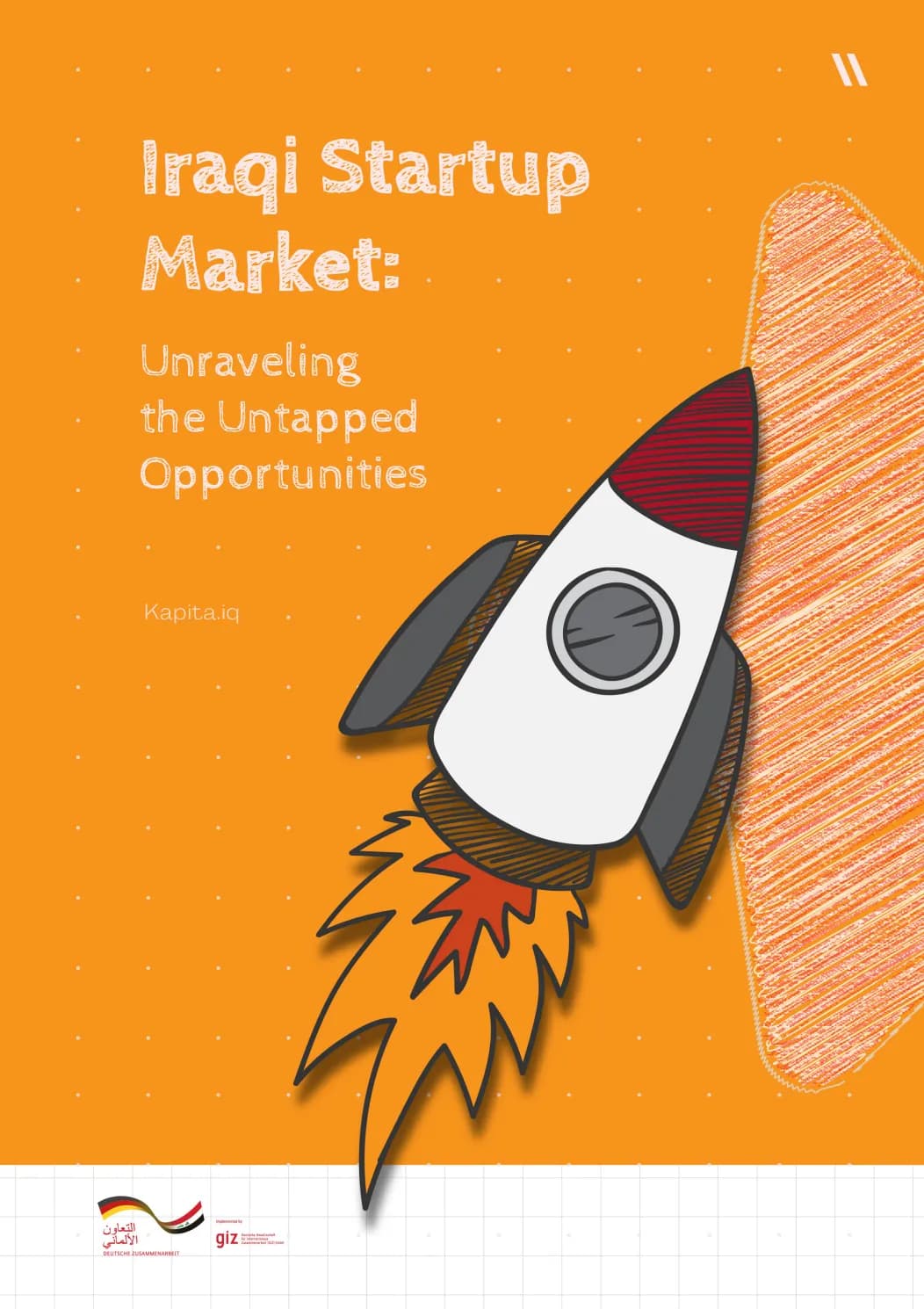
Iraqi Startup Market: Unraveling the Untapped Opportunities
#Startup Ecosystem Iraq#Entrepreneurship Iraq#Startup Market Iraq#Investment Landscape Iraq#Private Sector Iraq#Market Research Iraq
September 18, 2023Kapita Research Team
This research provides market research insights into Iraq’s startup ecosystem, exploring untapped opportunities, demographic and economic fundamentals, ecosystem enablers, startup activity, and access to finance. It examines private sector challenges, investment trends, and support programs, offering data-driven insights for investors, accelerators, policymakers, and stakeholders evaluating entrepreneurship and startup growth in Iraq.
Publication Overview
September 18, 2023
This research provides market research insights into Iraq’s startup ecosystem, exploring untapped opportunities, demographic and economic fundamentals, ecosystem enablers, startup activity, and access to finance. It examines private sector challenges, investment trends, and support programs, offering data-driven insights for investors, accelerators, policymakers, and stakeholders evaluating entrepreneurship and startup growth in Iraq.
Full Content
Executive Summary
This research presents an overview of the startup market in Iraq, examining the country’s entrepreneurial ecosystem, market fundamentals, and investment landscape. Drawing on demographic, economic, and ecosystem-level indicators, the study highlights untapped opportunities for startups while outlining the structural challenges affecting entrepreneurship, access to finance, and private sector growth in Iraq.
This research presents an overview of the startup market in Iraq, examining the country’s entrepreneurial ecosystem, market fundamentals, and investment landscape. Drawing on demographic, economic, and ecosystem-level indicators, the study highlights untapped opportunities for startups while outlining the structural challenges affecting entrepreneurship, access to finance, and private sector growth in Iraq.
- The Iraqi population is 43.5 million people, and it is a relatively young population that makes up %60 of the total population. In addition, Iraq has the fourth largest population among the MENA region counties. It is important to note that %70 of the population lives in urban cities. Cities like Baghdad, Nineveh, and Basra rank as the top three heavily populated areas that host up to 39% of the total population.
- Iraq has the fifth largest GDP among MENA region countries, which largely comes from high oil exports, especially after COVID-19 restrictions were lifted. The oil sector is the number one financial contributor to the Iraqi economy whereas the agricultural and industrial sectors contribute way less due to a lack of proper attention and investment. Generally speaking, Iraqi manufacturing Industries across the spectrum suffer neglect and lack of investment over the years, which created a highly import-dependent economy.
- The Iraqi entrepreneurial ecosystem has accomplished so much over the past years, especially in business development programs as they evolved from startup weekends to business-oriented programs. There have been several types of programs that aim to improve the reality of the Iraqi private sector through developing and empowering ideas, startups, and entrepreneurs at different levels. For example, Ignite is a pre-incubation program by Five One Labs that helps entrepreneurs check if their ideas are scalable and then transform them into viable products. Incubation programs, like Orange Corners Baghdad, are intended to provide training, knowledge, and financial support to business ideas and convert them to startups. Acceleration programs, such as Takween Accelerator and Scale-up Academy offer entrepreneurs intensive business support and knowledge prior to investment. In addition, co-working spaces are designated areas where entrepreneurs have access to meeting rooms, technological utilities, working space, and many other benefits. These programs have become very popular, and there are about 17 Incubation programs, 9 acceleration programs, and 11 co-working spaces.
- The number of startups has increased despite the economic challenges, and the startups’ market targets vary based on the market needs. E-commerce and delivery service are examples of the most sought-after market targets. For instance, Miswag is an e-commerce company with around 15,000 products and a delivery service. Talabatey is a food delivery service covering up to 1,000 restaurants. The entrepreneurial scene has witnessed other market targets, such as healthcare, agriculture, and education.
- Iraq’s investment scene had about 16 rounds of investments since 2019, targeting startups that incorporate technology in their operations. The delivery service startups obtained a total of six rounds of investment. E-commerce companies including Miswag and Orisdi received three and two rounds of investment, respectively. Other startups, such as Razi, IoT-Kids, Nakhla, and KESK received one round of investment per startup. It is important to note that these rounds range from five to eight figures. The investors’ scene, on the other hand, has been significantly notable due to the fact that the majority of these investment rounds have been made by the Iraq Angel Investors Network, Iraq Venture Partners, Iraq Tech Ventures, Euphrates Iraq Fund, and Northern Gulf Partners and.
- Within the Iraqi ecosystem, several channels offer loans and grants to SMEs. Tamwil was an Iraqi government initiative of about IQD 5 trillion. The goal was to improve the economy by strengthening the private sector and covering a wide range of projects. GroFin financier introduced the Nomou Iraq Fund and Northern Iraq Investment programs to assist SMEs financially. Other channels include Orange Corners Innovation Funds and CHF Vitas Iraq.
- The lack of financial accessibility is one of the main private sector challenges. A survey covering 2017 MSMEs suggests that up to %70 of funds/loans come from personal savings or family/friends while bank loans make up around 11%. Another challenge is the cash-based economy and the banking system that does not reflect modern financial standards in terms of service and reach. The private sector faces tedious business registration procedures due to a lack of registration information and concerns regarding reporting requirements after registration. Additionally, foreign investors do not find Iraq an attractive investment place due to instability, corruption, and legal limitations. The latter establishes that foreign ownership in Iraqi companies is 49%, which drives away potential investments.
- The market knowledge outlets currently operating in Iraq are products of the lack of data and trusted information resources in the last several years. As a result, Kapita, The Station, 51Labs, Iraqi Innovators, and many others have taken a significant role in solving this issue by providing relevant market knowledge and research through their publications, newsletters, and other activities.
Publication Information
Publication Details
Author:Kapita Research Team
Published:September 18, 2023
Category:Research
Documents:1 PDF
Tags:6
Academic Metadata
Suggested Citation
Kapita Research Team. (2023). Iraq Startup Market Report: Untapped Opportunities and Ecosystem Overview. Kapita Research.
Need Custom Research?
Contact our research team to discuss your specific research needs and objectives. We provide tailored analysis for your business.
Contact Research TeamWork with Kapita Research
Need this level of insight for your own decision?
This report is a sample of what our team produces. We run custom market research, sector deep-dives, competitor mapping, and market-entry studies for businesses and investors operating in Iraq. Tell us what you're trying to figure out — the first consultation is free.
Related Publications