Publication•March 20, 2022
free
Transportation Sector in Iraq: Aviation & Maritime Scene Overview
#Road Transportation Iraq#Transportation in Iraq#Aviation Sector Iraq#Iraqi Ports#Maritime Transport Iraq
March 20, 2022Kapita Research Team
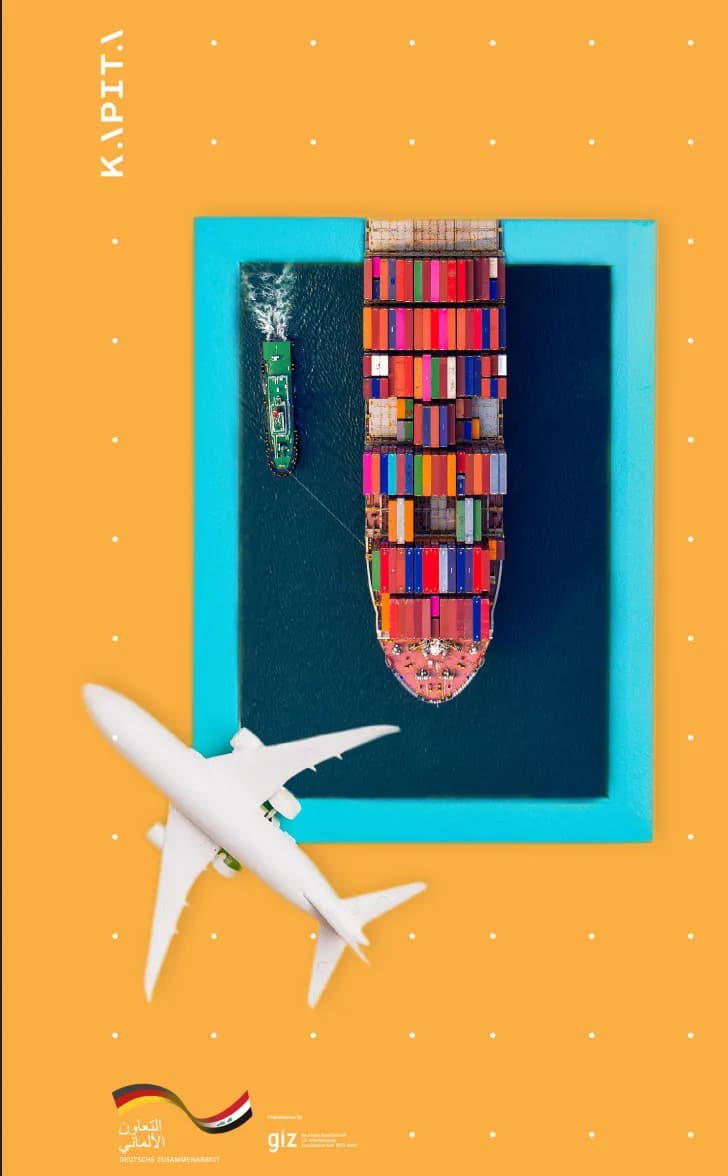
This report examines Iraq’s aviation and maritime transportation sectors, analyzing airport and port operations, passenger and cargo volumes, revenues, and employment. It explores major infrastructure projects such as Al-Faw Grand Port and new international airports, while highlighting key challenges including outdated fleets, regulatory constraints, and governance issues affecting sector performance.
Publication Overview
March 20, 2022
This report examines Iraq’s aviation and maritime transportation sectors, analyzing airport and port operations, passenger and cargo volumes, revenues, and employment. It explores major infrastructure projects such as Al-Faw Grand Port and new international airports, while highlighting key challenges including outdated fleets, regulatory constraints, and governance issues affecting sector performance.
Full Content
Executive Summary
This report provides a n overview of the transportation sector in Iraq, focusing specifically on aviation and maritime industries. It examines the historical context of transportation development, the current operational status of airports and ports, and the organisational structure overseeing these sectors. The report also highlights key statistics regarding flights, passenger numbers, cargo volume, and employment, alongside a discussion of recent infrastructure projects and the major challenges affecting the growth and modernisation of both aviation and maritime transport, including the impact of the COVID-19 pandemic.
Aviation
Aviation
- Iraq’s civil aviation is operated from five airports.
Baghdad, Erbil, Basra, Sulaimaniya, and Najaf international airports handled 43,367 flights and 1,700,591 passengers in 2020. In that year, Erbil International Airport handled the highest number of international flights, while Baghdad International Airport served the most overall passengers. - Iraqi Airways remains the largest airline company in the country.
Although numerous new airlines, such as Fly Baghdad, Fly Erbil, and UR Airlines are making a name for themselves. - The Euphrates Central Airport project is set to rejuvenate its area.
As it will improve transportation and promote tourism through its strategic location and up to 20 million annual passenger capacity. - Iraq is constructing new airports and repairing old ones.
Efforts are in place to rehabilitate Mosul International Airport, as well as lay the groundwork for Dohuk and Maysan International Airports. - The aviation sector of Iraq is riddled with problems.
The European Commission’s prohibition on Iraqi Airways, outdated fleets, and the lack of efficient aviation academies. All of this necessitates significant efforts if the sector is to meet international standards.
Maritime
- Four ports are responsible for Iraq’s maritime commerce:
Umm Qasr, Khor Al-Zubayr, Abu Flous, and Al-Maqil ports harbored 2868 ships with around 30 million tons of transported goods in 2020. - Oil exports suffered setbacks during the COVID-19 pandemic:
Al-Basrah and Al-Rahawi oil ports accumulated only 71.2 and 102.9 billion IQD in revenues in 2020, a startling 30% and 58% decline, respectively, from the previous year. This is largely due to the oil price crash concomitant with the pandemic. - Al-Faw Grand port is Iraq’s biggest project in years:
Upon completion of the project, an approximated 7 billion USD in annual revenues is expected, as well as thousands of jobs to be provided for the public community. - Projects to expand the capacity of current ports are underway:
The Iraqi government has invested a billion USD in the construction of additional berths in Umm Qasr and Khor Al-Zubayr ports. A step that will greatly increase operations. - Major issues demand attention if maritime transport is to flourish:
Oil dependence, corruption, failure to comply with international regulations, and the lack of modernization in the maritime fleet, are some of the issues that need to be addressed to revive and maintain the Iraqi maritime sector.
Publication Information
Publication Details
Author:Kapita Research Team
Published:March 20, 2022
Category:report
Documents:1 PDF
Tags:5
Academic Metadata
Suggested Citation
Kapita Research. (2022). Transportation Sector in Iraq: Aviation & Maritime Scene Overview. Kapita Research.
Need Custom Research?
Contact our research team to discuss your specific research needs and objectives. We provide tailored analysis for your business.
Contact Research TeamWork with Kapita Research
Need this level of insight for your own decision?
This report is a sample of what our team produces. We run custom market research, sector deep-dives, competitor mapping, and market-entry studies for businesses and investors operating in Iraq. Tell us what you're trying to figure out — the first consultation is free.
Related Publications