Publication•August 21, 2022
free
Transportation Sector in Iraq: Roads & Railways Scene Overview
#Transportation in Iraq#Iraq Infrastructure#Road Transportation Iraq#Logistics Market Iraq#Infrastructure Investment Iraq
August 21, 2022Kapita Research Team
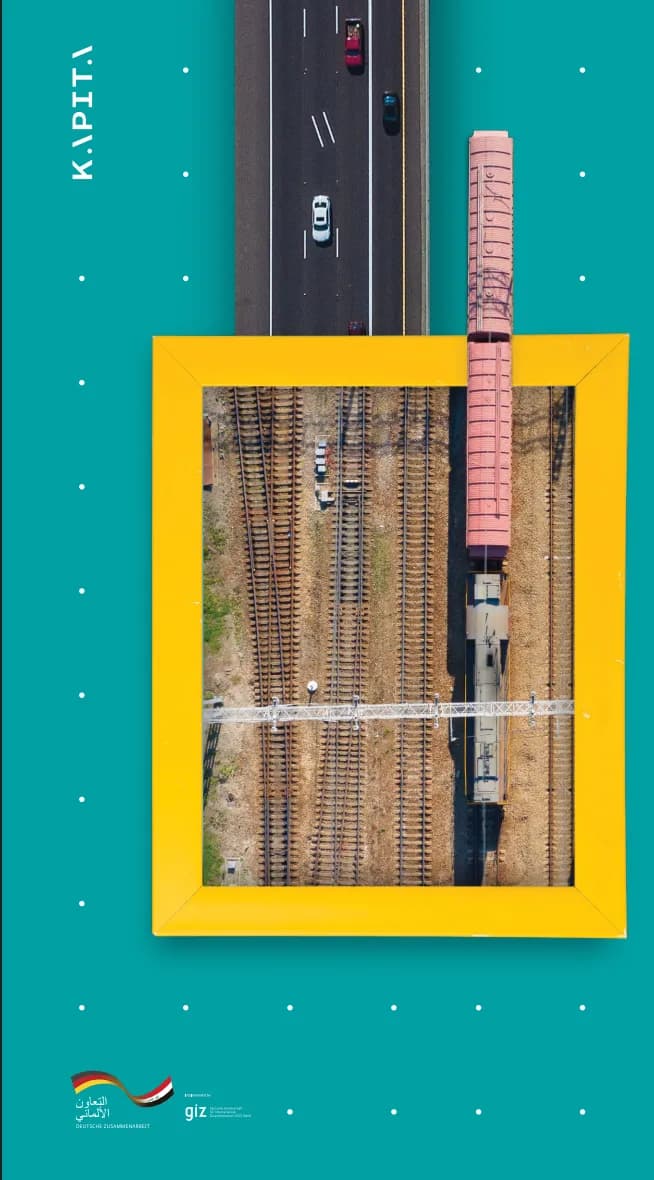
This report examines Iraq’s land transportation sector, focusing on both roads and railways. It reviews the historical development of each mode, key public and private sector players, passenger and cargo volumes, revenues, and wages. The report also highlights recent projects, ongoing challenges, and practical recommendations to improve road and railway transportation in Iraq.
Publication Overview
August 21, 2022
This report examines Iraq’s land transportation sector, focusing on both roads and railways. It reviews the historical development of each mode, key public and private sector players, passenger and cargo volumes, revenues, and wages. The report also highlights recent projects, ongoing challenges, and practical recommendations to improve road and railway transportation in Iraq.
Full Content
Exectuve Summary
In this report, we thoroughly examine land transportation, both road and railway in Iraq, starting from the history of both roads and railways and how they developed through the years, the companies involved in the sector, the number of passengers and cargo loads moved, to total revenues and wages. Lastly, including recent projects and developments, major issues, and recommendations for both modes of transportation.
In this report, we thoroughly examine land transportation, both road and railway in Iraq, starting from the history of both roads and railways and how they developed through the years, the companies involved in the sector, the number of passengers and cargo loads moved, to total revenues and wages. Lastly, including recent projects and developments, major issues, and recommendations for both modes of transportation.
Road Transportation
• The number of private cars is increasing due to the absence of dependable public transportation, the public is driven towards owning their own private vehicles, with more than 7 million cars on the streets, mostly located in Baghdad.
• The damage incurred due to ISIS on the transport sector. Terrorism had its toll on Iraq with the destruction cost of 3.257 billion IQD. With the start of the reconstruction attempts, the government and the international community are working on rebuilding them.
• Last-mile delivery and ride-hailing services are on the rise. It all started with Karwa an Iraqi ride-hailing service that later paved the way for other Iraqi and MENA region players to enter the market in different niches. As for last-mile delivery, new players are entering the Iraqi market such as Talabat.
• The MoT is repairing and replacing its fleet of buses and trucks. The MoT has a large number of buses and trucks but only a small fraction of them is operational, with only 846 operating buses and 401 operating trucks.
• Revenues are increasing from land transportation. The State Company for Land Transport reported their revenues for 2020 to be 67.5 billion IQD, with great potential for increasing even further.
Railway Transportation
• Revenues from railway transportation are fluctuating. Although cargo transportation was at a record high in 2020, revenue recorded was 4221 million IQD, which is less than the 5206 million IQD recorded in 2019.
• The number of cargo and passenger cars are not enough. The current number of working train cars is 876, 694 of them are for goods transportation. As for passenger transportation, the number of working cars was 433 in 2017, then dropped to only 140 in 2020.
• Iranian and Turkish interest in a railway link with Iraq. The Turkish government is planning a railway line that runs from Al-Faw Grand Port all the way to the Turkish border, and the Iranian government wishes to establish a short railway link from the southern port city of Basra to the town of Shalamjah.
• The IRR lacks awareness campaigns. Awareness campaigns are a way to encourage people to use the railway system, its benefits to the traffic system and the environment. The IRR in its turn needs to improve the infrastructure and safety of their trips.
• The IRR recorded the highest number in cargo transportation. In 2020, the IRR transported 1,293,000 tons of cargo, that is a grand leap from 372,000 tons transported in 2019.
Publication Information
Publication Details
Author:Kapita Research Team
Published:August 21, 2022
Category:report
Documents:1 PDF
Tags:5
Academic Metadata
Suggested Citation
Kapita Research. (2022). Transportation Sector in Iraq: Roads & Railways Scene Overview. Kapita Research.
Need Custom Research?
Contact our research team to discuss your specific research needs and objectives. We provide tailored analysis for your business.
Contact Research TeamWork with Kapita Research
Need this level of insight for your own decision?
This report is a sample of what our team produces. We run custom market research, sector deep-dives, competitor mapping, and market-entry studies for businesses and investors operating in Iraq. Tell us what you're trying to figure out — the first consultation is free.
Related Publications