15•Article
Business Landscape Interview: Al-Hussain Jassim
Al-Hussain JassimDecember 21, 202420 min read
Article Summary
In this interview, Dr. Al-Hussain discusses Saleem's story and the challenges faced by technology-based startups in Iraq’s healthcare sector. He highlights the app's unique offerings, such as home healthcare services and psychiatric therapy, and plans to integrate video consultations, teleradiology, and an AI-powered recommendation system.
Business Landscape Interview
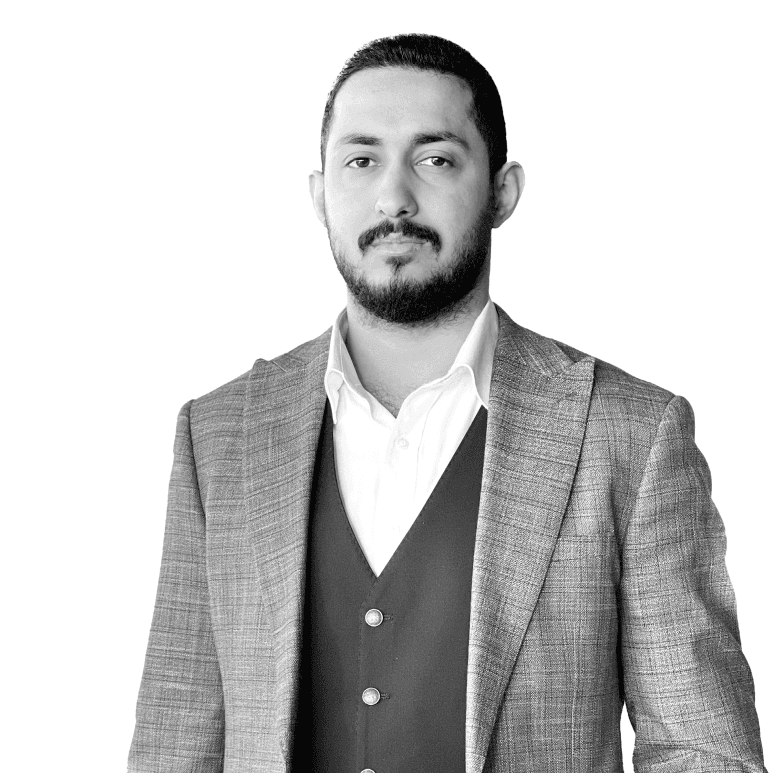
Al-Hussain Jassim
Co-founder and CEO, Saleem
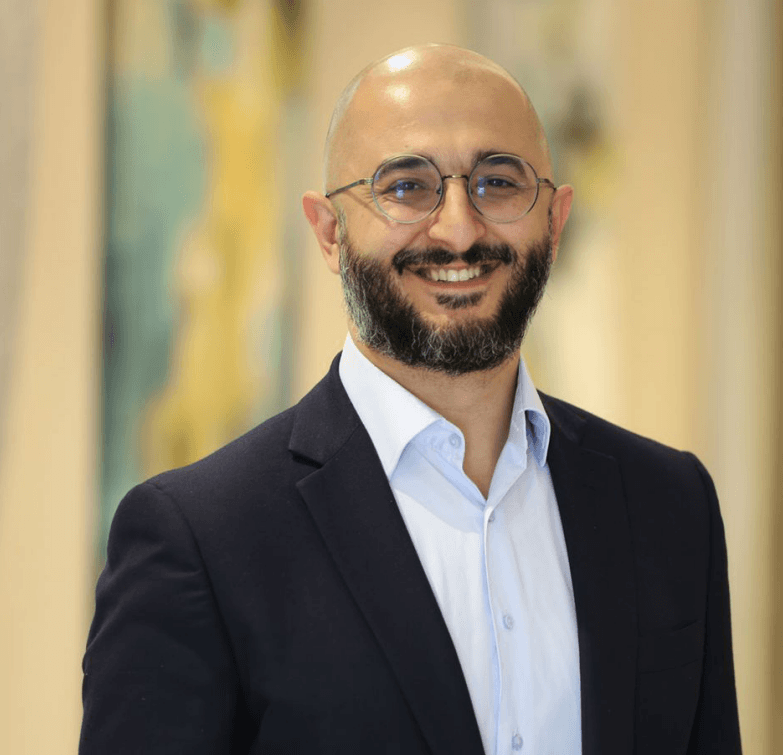
Al-Hussain Jassim is the Co-founder and CEO of Saleem, a pioneering healthcare app in Iraq that bridges the gap between patients and healthcare providers through innovative technology. Al-Hussain is a medical doctor and a graduate of Baghdad College of Medicine, whose vision is to combine his medical expertise with his passion for technology. Recognizing the inefficiencies in traditional healthcare systems, he has set out to create a solution that modernizes service delivery, improves accessibility, and fosters innovation.
In this interview, Dr. Al-Hussain discusses Saleem's story and the challenges faced by technology-based startups in Iraq’s healthcare sector. He highlights the app's unique offerings, such as home healthcare services and psychiatric therapy, and plans to integrate video consultations, teleradiology, and an AI-powered recommendation system.
He also addresses the broader issues within Iraq’s healthcare system, including the absence of electronic medical records, outdated hospital systems, and the lack of a strong health culture among patients.
Furthermore, he emphasizes the potential for digital transformation to improve healthcare in Iraq while acknowledging the regulatory, cultural, and infrastructural challenges. Dr. Al-Hussain’s insights provide a comprehensive look into the current state and future possibilities of technology-driven healthcare in Iraq.
- Could you tell us more about yourself and what inspired you to start Saleem?
My name is Al-Hussain Jassim, and I am the co-founder and CEO of Saleem, a healthcare app designed to bridge the gap between patients and healthcare providers through technology. I graduated from Baghdad College of Medicine, but I always had a passion for technology, which began much earlier in high school. I have always dreamed of combining my love for technology with my medical background, which ultimately inspired the creation of Saleem.
After entering the healthcare sector, my co-founder, Dr. Taha Ayad, an orthopedic medical resident, and I were struck by the challenges patients face when accessing healthcare services. We observed significant gaps in communication, service delivery, and professionalism within the system. These challenges led us to conceive Saleem as an innovative solution to connect patients and healthcare providers more effectively through technology.
Building the application was no easy task. One of the major hurdles was finding programmers with a medical background to understand and execute our vision. Initially, we collaborated with a technology company in India to develop the app. Later, we brought on Dr. Zaid Emad, who is a medical doctor and also the CEO and co-founder of Penlight, a marketplace for specialized generative artificial intelligence agents. Dr. Zaid has a solid background in programming and has led the app development alongside a team of Iraqi programmers, allowing us to build the app entirely in-house.
We are preparing to launch a new version of Saleem that features remarkable improvements. This updated version will be more user-friendly, with enhancements such as an integrated payment gateway and video chat functionality for online consultations. Currently, Saleem offers in-home medical services in Baghdad, while other services are available across Iraq, excluding the Kurdistan Region of Iraq. We are working to expand our in-home services to cities like Mosul and Hilla.
- What services and consultations does Saleem offer?
Saleem began by providing home doctor visits and nursing services but has since expanded its offerings based on market demand. Today, the app delivers a wide range of healthcare services, including home-based physical therapy, radiology, lab tests, and more.
Our core service remains home doctor visits, which are tailored to different patient needs and offered at four levels:
- Medical Team Visit: Includes a doctor and a nurse, with the option to add lab testing services.
- Specialist Visit: A visit from a specialist doctor without additional support staff.
- Resident Doctor Visit: Provided by a resident doctor, with or without a nurse, according to the patient's condition.
Our specialized services include advanced diagnostic tests, such as echocardiograms, home X-rays, and electrocardiograms (ECG). We utilize a portable, high-quality X-ray machine that provides instant results, ensuring a seamless and efficient experience for patients. Home nursing care is another essential offering, with services ranging from patient monitoring and medication administration to wound care.
Furthermore, home lab testing is a standout feature of Saleem, with many different lab tests available, including blood tests, vitamin checks, and hormone analyses. We provide different tailored packages, such as the Saleem Routine Checkup, Saleem Senior Checkup, and Saleem Diabetic Checkup, designed to meet the unique needs of our patients.
We also conduct in-home eye examinations, where our specialized doctors assess vision and provide prescriptions. If eyeglasses are needed, they are delivered directly to the patient’s home, offering unparalleled convenience. In addition to these, we offer online consultations, ambulance services, and hospital admissions.
Since our launch in April 2024, we have achieved noteworthy milestones. From April to September 2024, the app has been downloaded 20,000 times and served more than thousands of patients.
- Could you walk us through the patient’s journey on Saleem?
The patient journey with Saleem begins by contacting our call center, which is staffed by doctors. These doctors gather essential information about the patient, including their medical history, to ensure the patient receives the care they truly need rather than what they might think they require. Often, patients may not fully understand their health issues, so this initial step is critical in directing them to the appropriate service.
For instance, one patient contacted us seeking a dermatological consultation. After reviewing their case, our doctors identified a more urgent need for ulcer surgery. The patient was redirected from a dermatology consultation to hospital-based surgery for a stomach ulcer, which ultimately saved their life.
This process not only provides patients with accurate and necessary care but also helps doctors make better assessments. By having access to the patient’s medical history, doctors can determine whether additional steps, such as laboratory tests, are required before proceeding with treatment.
Once the patient’s needs are assessed, we arrange the appropriate visit or service. Throughout this process, we maintain communication with the patient to collect feedback and ensure the treatment is delivered effectively. This comprehensive approach ensures both the accuracy and quality of care provided through Saleem.
- What has been your experience building Saleem in a market with no similar success stories?
At Saleem, while we do not claim to have reinvented the wheel, our business model stands out as unique in Iraq’s healthcare sector. No other application in the country operates with a similar approach, and the lack of existing success stories means we are building everything from scratch. This has presented numerous challenges, particularly in navigating legal and technological obstacles during the development of our platform.
Initially, I believed that Iraq’s environment might not be conducive to such a business idea. However, I was pleasantly surprised by the response we received. There is an evident eagerness in the healthcare sector to integrate technology into medical services. For example, many doctors who collaborate with Saleem now use the app to record patients' medical histories—a practice they typically avoid in their private clinics. These doctors have also been highly cooperative, offering valuable feedback to enhance the app’s features.
Equally encouraging has been the response from patients. Many actively engage with the app, taking the initiative to fill out newly introduced medical history forms. This demonstrates a growing acceptance of digital solutions in healthcare, both from providers and recipients.
While the journey has been challenging, the openness of Iraq’s healthcare sector to innovation, coupled with the willingness of doctors and patients to adopt new tools, shows that there is great potential for technology-based startups like Saleem to thrive and drive meaningful change in the industry.
- How was the adoption process of medical laboratories and doctors to home delivery services?
In the early stages, we encountered several challenges, particularly with doctors. Safety concerns during home visits were a main hurdle. However, the situation has improved drastically, and today, we onboard three to four specialized doctors onto our app daily, reflecting growing trust and adoption among medical professionals.
When it comes to medical laboratories, their business model is primarily business-to-business (B2B) rather than business-to-consumer (B2C). This alignment with our model has allowed us to collaborate effectively with laboratories. Specialized centers depend on the tests we supply, and they perform the procedures. As a result, we did not face major challenges with laboratories in adapting to our services.
The primary challenges we encountered were related to the portable medical devices necessary for our home health services. These devices had to be imported, were costly, and involved a high level of financial risk. Despite these obstacles, our investment in cutting-edge portable technology has enabled us to deliver high-quality diagnostic services directly to patients’ homes, reinforcing our commitment to innovation and accessibility in healthcare.
- What challenges have you encountered navigating the Iraqi healthcare sector, and how is Saleem addressing them?
One of the biggest issues in Iraq’s healthcare sector is the absence of electronic medical records (EMRs). To address this, Saleem creates a digital profile for each patient, storing their submitted information, medical history, and the results of any lab tests conducted through the app. Patients can also upload medical records from external sources, centralizing their healthcare data in one accessible location.
Doctors’ prescriptions are delivered to patients electronically through the app, but there are many legal limitations in this area. For instance, the Pharmacists Syndicate prohibits sending electronic prescriptions directly to a pharmacy and the delivery of medications. As a result, prescriptions must be printed, and medicine delivery services cannot be offered. While we actively engage with policymakers and regulatory bodies to address these constraints, these legal and regulatory hurdles remain challenging.
At a macro level, one of our biggest obstacles was the company registration process, which took six months to complete before we could launch the app on the Apple Store. This delay was due to conflicting requirements between Apple’s standards and those of Iraq’s Companies Registrar Authority, making this one of our most time-consuming issues.
On a micro level, recruitment posed another major challenge, particularly because many medical professionals in the government sector lack adequate training. For example, physical therapy is the most in-demand service in Iraq’s healthcare market. To ensure the quality of care, our physiotherapy specialists are all well-trained and certified by Médecins Sans Frontières (Doctors Without Borders), resulting in better outcomes for patients compared to competitors. Our patients often require up to 20 sessions due to the effectiveness of the treatment we provide.
- Is there a need to obtain a specific license from the Doctors’ Syndicate to operate in Iraq?
At the Saleem app, we are not the service providers; doctors and nurses are the ones delivering the medical services. Therefore, a doctor must be registered with the Doctors’ Syndicate. Once registered, the doctor does not require any additional approval to practice medical services in this sector. However, there are certain matters, such as medication delivery, that do require certain approvals.
- Can you elaborate on the current state of Iraq’s healthcare system and its readiness for medical technology integration?
The healthcare sector in Iraq remains significantly behind global standards, operating much as it did 70 years ago. The system is still paper-based and outdated. For example, when a patient visits a hospital, their medical history is recorded, but this information is erased upon discharge. If the patient returns, their medical history is recorded anew, creating inefficiencies and gaps in patient care. Bureaucracy also poses a prominent challenge, slowing progress and complicating healthcare delivery.
A lack of a strong health culture further exacerbates these issues. Many Iraqi patients do not recognize when they need emergency medical intervention or medical consultations. They also frequently deviate from treatment plans, switching medications or consulting multiple doctors, which complicates care and reduces treatment effectiveness.
Another critical challenge is the shortage of medical facilities. For instance, Al-Rasafa district of Baghdad has a population of more than 5 million people but only five general hospitals. This scarcity of healthcare infrastructure severely limits the quality and accessibility of medical services, not only in Baghdad but across Iraq.
These combined challenges—outdated systems, insufficient facilities, and low patient awareness—heavily impact the healthcare sector. The responsibility for addressing these issues does not rest solely on patients. Those tasked with educating the public and raising awareness about healthcare must take an active role in resolving these problems.
At Saleem, we recognize these gaps and are committed to bridging them. Beyond providing healthcare services, we aim to educate Iraqis about maintaining healthier lifestyles and distinguishing between emergencies and non-urgent medical needs. By promoting awareness and providing practical tools, we hope to contribute to the modernization and improvement of Iraq’s healthcare sector.
- What feasible steps can be implemented to modernize the Iraqi healthcare sector to keep up with the global trends?
Modernizing Iraq’s healthcare sector requires several foundational steps. One key initiative is the introduction of a health identification number for every Iraqi citizen. This number would be linked to an electronic medical records (EMR) system that integrates data across public hospitals, private healthcare providers, and clinics. By digitalizing all medical tests and laboratory results, patients would have centralized and accessible medical records. This shift from paper-based to electronic systems would enable doctors to make more informed decisions based on patients’ comprehensive medical histories.
Another critical improvement is the activation of a filtration system to distinguish between emergency and non-emergency cases. In developed countries, this process is often managed via phone consultations, where patients are guided based on their symptoms and provided with appointments if needed. At Saleem, we have implemented this approach through our call center, ensuring patients receive appropriate care while reducing the burden on emergency services.
Additionally, fostering a culture of follow-up is essential. In Iraq, communication between patients and doctors often ends after the initial treatment, leading to overlooked complications or incomplete care. At Saleem, we address this issue by maintaining contact with patients for at least seven days after treatment, ensuring continuity of care and minimizing the risk of unresolved health issues.
By implementing these measures—integrated EMRs, effective case filtration, and a robust follow-up culture—Iraq can take meaningful steps toward modernizing its healthcare sector and aligning with global standards.
- Are there specific areas of the healthcare sector that you anticipate will experience growth in the near future?
I anticipate substantial growth in hospital management systems within the healthcare sector. The Iraqi Ministry of Health has shown a commitment to initiating the transformation of hospitals from paper-based to electronic systems. If this initiative is successfully implemented within the next three years, it could lead to remarkable advancements in both the private and public healthcare sectors.
I also expect an increase in specialized healthcare centers. These centers will focus on delivering services based on patients' needs rather than their wants, shifting the healthcare scene towards a more patient-centered approach.
The private healthcare sector is already witnessing progress. A large percentage of private hospitals operate under unified systems, and laboratories and private clinics are steadily advancing. Many newly graduated specialists are adopting clinic management systems and utilizing electronic medical records (EMRs), marking a shift toward more efficient healthcare operations. At Saleem, we are working on building a clinic management system specifically tailored for our doctors to streamline their practices.
Additionally, there is a promising rising startup in Iraq aiming to unify medical records across private health companies. This initiative seeks to consolidate patient records and link them to a unique identification number tied to their national ID. If successful, this project could provide many benefits, enhancing efficiency and accuracy in patient care while addressing one of the critical gaps in Iraq’s healthcare system.
These developments indicate a better future for Iraq’s healthcare sector, with technology driving much-needed improvements in efficiency, accessibility, and patient outcomes.
- What opportunities does digital transformation bring to the healthcare sector? How can we seize those opportunities in the Iraqi context?
Digital transformation opens up several promising opportunities in the healthcare sector. One advancement is the integration of video chat for medical consultations. This service is both convenient and time-efficient, allowing patients with minor health concerns or mobility issues to consult doctors without visiting healthcare centers. It not only saves time but also provides greater accessibility to medical advice for underserved communities.
Another untapped area is psychiatric therapy services, which are currently unavailable in Iraq. At Saleem, we plan to include this service on our platform, enabling patients to subscribe to therapy sessions with specialized psychiatrists. This type of digital healthcare has immense potential to address mental health needs in Iraq, which are often neglected.
We are also leveraging digital transformation to address inefficiencies in radiology through teleradiology services. In many hospitals, patients often receive CT scan results without accompanying reports because specialist doctors are unavailable after 2 PM. To tackle this issue, we introduced teleradiology, where a network of 120 Iraqi and international radiologists reviews CT scans sent by private hospitals or patients directly. Within a maximum of 90 minutes, patients receive a detailed report.
If teleradiology is widely adopted across Iraq’s public and private healthcare sectors, it could enhance patient outcomes, particularly in emergencies where timely interpretations of scans are critical.
To seize these opportunities, the healthcare sector in Iraq must invest in technology infrastructure, raise awareness among stakeholders, and ensure supportive policies that encourage the adoption of digital solutions. By integrating these advancements, Iraq can overcome existing challenges and make healthcare more accessible, efficient, and effective.
- What are Saleem’s future plans?
Saleem plans to expand its services and enhance healthcare accessibility in Iraq. One major step forward is our partnership with Qi Card, which will make Saleem’s services available on the SuperQi application. This integration is set to launch by the beginning of next year, bringing our offerings to a wider audience.
We also plan to fully roll out video chat consultations as part of our platform, further enhancing the convenience of accessing medical advice. Additionally, we aim to open a medical supply store and improve our foreign referral services, creating a unified system for patients needing medical procedures abroad. For instance, Iraqi patients requiring surgeries will receive free consultations to determine the most suitable destination for their specific cases.
Locally, we are introducing a service for patients considering surgical operations in Iraq. This will provide a second opinion on the necessity of surgery, along with a curated list of the best doctors in the relevant field.
We are developing a recommendation and guidance system powered by AI to centralize and organize all essential healthcare-related information in one accessible platform. The system will include detailed data on doctors, labs, medical centers, and other healthcare services, such as their locations, available services, prices, working hours, contact details, and more. Patients will be able to search, filter, and compare options based on their needs, whether it is finding a doctor, booking a lab test, or locating the nearest medical center or hospital.
This system aims to save patients time and effort by providing all the information they need in one place, helping them make their decisions and get what they need quickly and easily. By making healthcare services more accessible, we aim to improve the patient experience and ensure they get the care they need without unnecessary delays or confusion.
The AI system will identify the right and best options for the patient’s needs and guide them step by step in a simple and user-friendly manner.
Article Information
Details
- Author:Al-Hussain Jassim
- Published:December 21, 2024
- Issue:15
- Read Time:20 min
Need Custom Analysis?
Contact our research team to discuss your specific business landscape analysis needs.
Contact UsMore from 15