14•Article
Business Landscape Interview: Mohsen Khairaldin Garcia
Mohsen Khairaldin GarciaSeptember 21, 202420 min read
Article Summary
In this interview, Mr. Khairaldin shares with us insights on Iraq's entertainment sector and the development of Iraqi consumer behavior towards streaming services. He discusses the challenges and opportunities within the entertainment industry, addressing topics such as infrastructure, online content piracy, regulations, and more. Additionally, he highlights the 1001 platform’s contribution to local production and job creation, as well as the role of local and regional partnerships in 1001's growth. He also explores cultural factors influencing entertainment consumption in Iraq and emerging trends shaping the sector’s future.
Business Landscape Interview
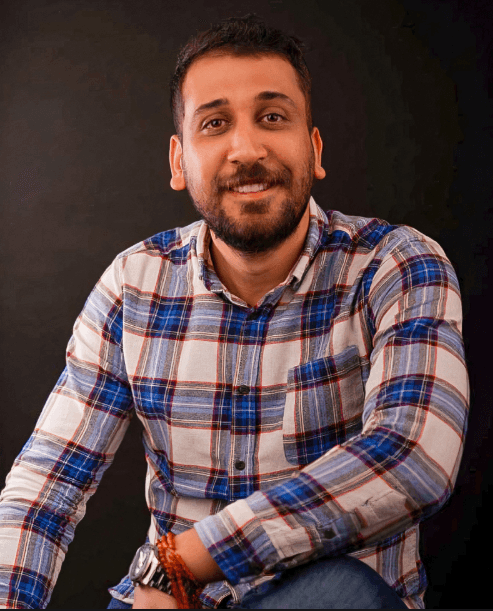
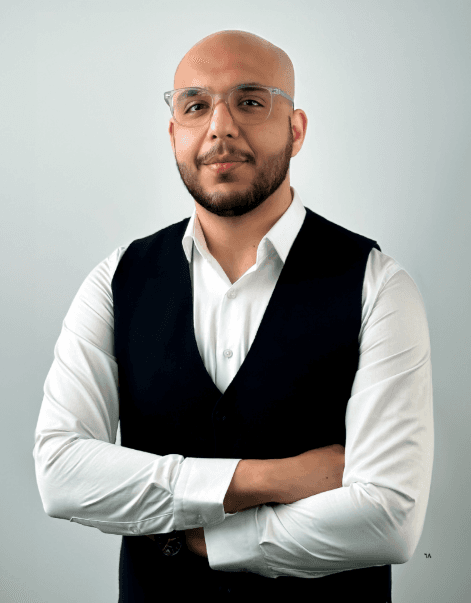
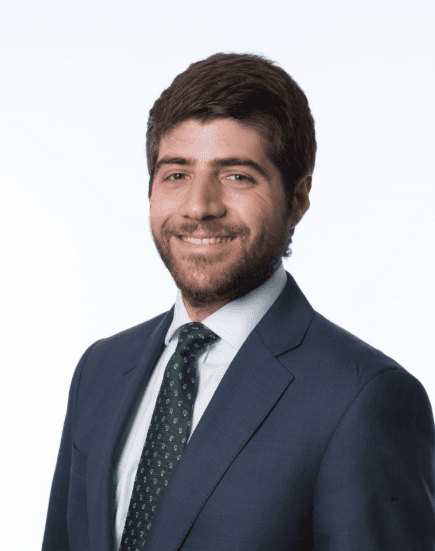
Mohsen Khairaldin Garcia
Co-founder, 1001 Platform
Mr. Mohsen Khairaldin Garcia is the co-founder of 1001, a leading Iraqi streaming and entertainment platform. He is an accomplished investment expert and strategic advisor. He holds a Bachelor of Economics from London School of Economics and Political Science and an MBA from London Business School. His 13-year career spans investment and business development in the oil, gas, and renewable energy sectors across Southern Europe, the Middle East, Africa, and South Asia, along with ventures into media, entertainment, and technology.
In this interview, Mr. Khairaldin shares with us insights on Iraq's entertainment sector and the development of Iraqi consumer behavior towards streaming services. He discusses the challenges and opportunities within the entertainment industry, addressing topics such as infrastructure, online content piracy, regulations, and more. Additionally, he highlights the 1001 platform’s contribution to local production and job creation, as well as the role of local and regional partnerships in 1001's growth. He also explores cultural factors influencing entertainment consumption in Iraq and emerging trends shaping the sector’s future.
Could you please tell us about yourself and your professional background?
I am Mohsen Khairaldin. I studied Politics and Economics at London School of Economics and Political Science (LSE) and graduated in 2011. My first international role was with HSBC, where I worked in various positions across the financial and banking sectors. I later joined Shell, a company specializing in oil and energy, where I spent five years. This dynamic environment allowed me to work within the investment division of the energy sector, with assignments in locations like Dubai and South Asia, including India, Pakistan, and Bangladesh. Throughout this time, I gained substantial expertise in market and business development, as well as investments.
I later returned to London for further studies at the London Business School, where I obtained an MBA. Initially, as a side project during my MBA studies, and subsequently on a full-time basis after graduation, I started working in the renewable energy sector. I worked in an investment company specializing in wind and solar energy across Africa and Europe. Moreover, my journey throughout my MBA studies opened up new opportunities for me in the technology sector and venture capital, particularly in tech startups. In 2016, I began exploring the idea of shifting my focus to Iraq through a technology investment company that was planning to enter the Iraqi market. They offered me the chance to collaborate on a new venture in Iraq, which I found highly appealing, though we ultimately did not reach an agreement. Nonetheless, the experience strengthened my belief in investing in Iraq and the potential of tech startups.
As a result of that experience, I started to take an interest in the entertainment and video streaming sector in Iraq. I began to develop a business plan that laid the foundation for what would become the 1001 platform in Iraq. I initially presented the idea to the Al Sharqiya Group because I recognized a need to compete with giant regional and international platforms, such as Shahid and Netflix, while working to educate the Iraqi market and change how the Iraqi audience consumed media. The best approach was to build a strong foundation of locally produced Iraqi content. Due to Al Sharqiya’s solid production capabilities and rich Iraqi-focused content library, I pitched the idea to them in mid-2022. They joined the project as our first content partner in 2022, with the potential for additional content partners in the future.
With our first major content partner on board, I decided to leave my full-time work in the renewable energy sector and dedicated my time and energy to building the 1001 platform. The early team consisted of myself and William Page, a seasoned venture capital lawyer and streaming expert who had previously founded a successful video streaming platform operating in Europe and other markets, together with the invaluable support of Ahmed Bin-Afif, who is the CTO of Al Sharqiya Group, who supported us in establishing the early technology base of the business. Ahmad Al-Shagra, our Chief Platform Officer, joined soon after, leading the new product and engineering functions that we had set up on the back of his experience scaling several startups in the region. We officially launched 1001 to the public in March 2023.
You worked in the financial sector, then in the energy sector, and finally shifted to the entertainment sector. Why did you choose the entertainment sector in particular?
I have lived mostly in the UK, with stints in the Netherlands, and the UAE, and frequent travel led me to rely on streaming apps and enjoy the entertainment services they offer. These services were not available or widely used in Iraq due to the availability and abundance of pirated content, which made the Iraqi market an interesting anomaly as late as 2023, when the rest of the world had already moved on to widespread use of streaming platforms.
Another reason I chose the entertainment sector is the oversaturation of startups in other areas in Iraq, such as food delivery, ride-hailing, and grocery delivery. Companies such as Baly, Talabat, Careem, and others had already established or expanded their services in Iraq, with others on the way.
Therefore, we identified a gap in the market and saw a significant opportunity to seize. The Iraqi audience is constantly seeking fresh content, whether it is movies, TV shows, or live premium sports. Iraqis are also particularly proud of homegrown content that we tend to refer to as “hyper-localized.” However, The lack of legal and easily accessible entertainment options meant that local talent and original storytelling were underrepresented. To address this, we decided to create a long-term strategy focused on supporting local stories and partnering with leading international content partners. By doing so, we aim to elevate Iraqi voices and narratives, fostering a new wave of local production. This strategic approach not only supports cultural preservation but also builds a sustainable industry that empowers Iraqi creators and generates employment in the media sector.
How did you deal with the behavior of Iraqi consumers who were accustomed to accessing free streaming services and pirated content?
When we launched the 1001 platform last year, we first offered the service for free. Being one of the first completely legal streaming platforms to focus on the Iraqi market, we understood that introducing paid content right away whilst competing with pirated platforms would not be the best approach. This is because the subscription culture is not yet prevalent in Iraq, and even less so when it comes to consuming content. While it is common for viewers in the UAE, Europe, or the USA to pay for streaming services, in Iraq, people have traditionally relied on free services or pirated content, both local and international. As a consumer who has lived in other parts of the world, I am used to paying for entertainment and sports content, but this is not generally the case for the Iraqi consumer and the Iraqi market.
As a result, we initially offered the service for free to Iraqi viewers, leveraging our launch right before the peak Ramadan viewing season. On the back of our collaboration with Al Sharqiya TV, we provided their exclusive new Ramadan content before it aired on television. This strategy helped us reach a broad audience, hitting 1 million unique users within a short number of weeks, with many users downloading the app and exploring the 1001 platform’s content.
The app was also very user-friendly, requiring no email sign-in or cumbersome registration/login features. For those who wanted to register, we provided a simple phone number registration option, making it the easiest and most convenient choice for Iraqi consumers who do not typically use email addresses.
The free service remained available for a full year, during which we expanded our offerings by adding Iraq’s largest library of Korean dramas, and the first selection of our in-house productions labeled as “1001 Originals,” which created a lot of traction, particularly with younger audiences. With this strategy, we built trust with Iraqi viewers, enabling them to appreciate that high-quality local and international entertainment content can also be accessed and enjoyed through fully legal platforms. The following year, ahead of Ramadan 2024, we executed innovative content partnerships with three of the region’s most important platforms and producers, including StarzPlay, OSN, and Rotana. This supported the introduction of paid subscriptions through the new 1001 “entertainment” package.
Building on this, we identified premium sports as something that Iraqis were eager for, especially because pirated sports streams were often of poor quality, or cut in the middle of a game. We negotiated additional content partnerships with Spain’s football league “La Liga” and beIN sports’ streaming platform “TOD,” thereby launching our new “Ultimate” package in August of this year. It offered the largest legal library of premium sports and entertainment in Iraq and one of the widest content offerings in the entire region. In parallel, recognizing that the internet service providers (ISPs) were the main route towards consumption of pirated content in Iraq, we successfully convinced a number of ISPs that it was in our mutual interest for them to start distributing the only legal platform in Iraq that provided a viable alternative, either for free or at a nominal cost to their subscribers.
This approach increases costs for these companies, so why did they go forward despite the extra expense? The answer is that these companies recognized that the Iraqi market could not rely on pirated content and publicly sustain it in the long run. 1001 offered a practical solution to fight piracy in Iraq as it offers not only local but also fully legal regional and international movies, TV shows, and premium live sports within a single platform and subscription. As a result, ISPs began adopting legal methods to deliver content to the Iraqi audience, which is far more beneficial than illegal means. Additionally, since ISPs are investing in providing legal content, they have a stronger incentive to prevent piracy. It is a win-win situation for all parties involved. The market is now being educated successfully on alternatives to piracy, and the content delivered through the ISPs is now legal, which directly supports our objectives.
What strategies do you employ to influence Iraqi consumer behavior?
Our top priority is the agreements with the ISPs. The proof is the recent collaborations we started with ISPs that are working towards embracing the legal streaming avenue and discarding content piracy. This lays the groundwork for educating millions of internet users on adopting legal alternatives. Additionally, the rise of digital payment methods has significantly contributed to this shift. We are supportive of all strategies that encourage higher adoption of digital payment methods in Iraq. The Iraqi market has seen significant development on this front, which positively impacts the ability of Iraqi consumers to enter into subscriptions and make payments. The daily electronic transactions that Iraqi consumers perform on other applications such as Careem, Baly, Toters, Talabat, Miswag, and others, strengthen the broader culture of subscription and digital payment to the benefit of platforms like 1001. For an Iraqi consumer who has access to an internet subscription, they may discover that they can access a legal subscription with 1001 without any additional cost or effort. For those who do not receive this offer from their ISP, the widening availability and use of digital forms of payment enables them to rapidly activate their 1001 subscription with minimal effort.
What challenges are you experiencing in the Iraqi market, and how are you trying to overcome them?
Operating in the Iraqi market presents a unique set of challenges for 1001, including general startup issues like payroll, facilities, registration, office space, and licenses. As a digital platform, we face specific hurdles like institutionalized piracy, often backed by major ISPs, and outdated regulations that hinder the growth of tech startups. The absence of streamlined processes and support for new companies creates a discouraging environment, stifling innovation and job creation.
In addition to these challenges, the regulation of digital platforms remains severely outdated. There is insufficient support and an unfavorable environment for building tech startups. This includes simplifying the registration process, providing office space and facilities, and rapidly issuing licenses, along with other services that would promote an attractive rather than a discouraging ecosystem for startups. Without proper encouragement for new startups in Iraq, job opportunities and entrepreneurship will stagnate, and pressure will continue to increase on an already strained public sector system.
We have encountered many other challenges in the Iraqi market. A major hurdle is generally slow internet speed and deteriorating infrastructure. Some of our subscribers still experience difficulties enjoying live content because it requires relatively high bandwidth. However, opportunities for growth in the Iraqi market have started to appear in the last two years. For example, the introduction of 4G internet by telecom companies and the development of FTTH (Fiber to the Home) infrastructure in Iraqi provinces were important steps that facilitated the launch of 1001 last year. These advancements also encouraged people to subscribe and enjoy the services we offer.
Another challenge is the absence of a legal framework. The entertainment streaming sector is new to Iraq from a legal perspective, having been undermined for many years through institutionalized piracy. This absence of regulation not only undermines our efforts but also deters global and regional players from investing in Iraq. We hope that authorities will regulate the industry and protect those who are investing in legal content from the ramifications of piracy. At the same time, global and regional platforms are seeking a proper legal framework to protect their content from piracy in Iraq, and 1001 is proud to be a trusted partner on this front.
As industry experts, we have provided recommendations regarding the legal framework for this sector. Our goal is to cultivate a supportive environment. However, this responsibility is not ours alone. Digital platforms, production companies, creative industries, ISPs, and telecommunications companies play vital roles in achieving this goal. We are now noticing progress in both the regulatory and legal framework, and we hope these laws will be enforced in the near future to protect the players who provide these services legally and combat piracy.
1001 recently announced strategic partnerships with TOD from beIN Media Group as well as Spain’s La Liga EA Sports. How do these partnerships contribute to the growth of the platform?
At 1001, our first content partnership was with Al Sharqiya Group, and we built on this fairly quickly through some in-house productions and licensed content from abroad. Despite the overwhelmingly positive feedback from our viewers, we realized that even with attractive and exclusive local content from Sharqiya, it was not enough to fundamentally change Iraqi viewers' behavior away from piracy and towards legal content. To shift the behavior of Iraqi consumers and encourage them to use our platform, we needed to offer an even richer library with a much wider range of content that reflected the diverse tastes of the average Iraqi consumer. To facilitate the experience that many Iraqis had grown used to, where they could find everything they wanted in a single platform – pirated until that point. At 1001, we embarked on a process of gathering the best possible content for our Iraqi consumers and ensuring it was available to them within our platform and under a single 1001 subscription. That is why we pursued partnerships with TOD, La Liga, OSN, StarzPlay, Rotana, and others.
By subscribing to our platform, Iraqi viewers can find and discover all the content provided by us and our partners’ platforms in one place, with all this content accessible as part of the 1001 subscription. These collaborations have allowed 1001 to offer Iraqi viewers the largest legal content collection in one place at a reasonable cost, without the need to pay for multiple subscriptions or spend time looking for content on multiple platforms.
We have also taken the time to try to appreciate what the Iraqi consumer might want and enjoy. In the case of La Liga, for example, we have started introducing new show concepts that leverage famous Iraqi players and presenters through studios based in Iraq to commentate and analyze the Spanish league. In this way, we are offering our viewers an Iraqi ‘touch’ when they watch their favorite teams. We plan to build on this approach over time.
Does 1001 plan to expand regionally, not just locally, given that you now have a rich content library and multiple partnerships?
At 1001, our primary focus is on the Iraqi market, with no current plans to expand into regional markets beyond Iraq's borders. However, we do make an exception for the Iraqi diaspora in neighboring countries, the U.S., Europe, and other parts of the world. Despite the lack of active marketing efforts to promote the availability of our application in other countries, the Iraqi diaspora has already begun subscribing to and following 1001, particularly during Ramadan, when our exclusive and original Iraqi series is released.
While this community abroad has access to international sports content, movies, and TV shows on other platforms like Netflix, they depend on 1001 to get their local Iraqi content. Since they are not used to watching Iraqi content during its scheduled broadcast on Iraqi TV channels, especially in places where the time difference is too great, we provide them with a convenient tool to access all Iraqi entertainment on demand.
Although our content partners may have their own distribution channels outside of Iraq, they rely on 1001 within Iraq. As for the Iraqi diaspora, they seek our platform for easy access to Iraqi TV shows and movies.
What is the role of 1001 in local Iraqi production, and how does it contribute to creating job opportunities in this sector?
The collaborations and agreements we have established with regional and global partners are certainly valuable. However, our long-term objective is to grow the value and availability of Iraqi-produced content. Our goal is to increase investments in local content production, a significant step that will not only improve the quality and output but also help us bring Iraqi-produced content into a legal framework that can support the combat against piracy. We actively support the Iraqi creative industry and new productions to elevate local content to a regional or potentially international level.
Turkish and Saudi TV shows and films, for example, were not widely popular in the past. However, with the right investments, development, and improvements, they have grown into regional and even global markets. We have a similar goal for Iraqi content, which represents a rich civilization of thousands of years and a population of over 45 million with a unique heritage, dialect, and culture. Considering the existing regional success of Iraq’s music industry, we aim to further develop local content through increased investment that facilitates new high-quality productions. We are proud to have already become known for our roster of “1001 Originals,” which now includes dozens of Iraqi comedies, drama series, and reality shows. Additionally, we are expanding in this area by introducing additional exclusive podcasts, movies, and TV shows to 1001. By doing so, we contribute to job creation within the Iraqi media and entertainment sectors, drive investment, and foster a marketplace for local talent and productions.
How does the Iraqi culture influence the types of entertainment streamed and consumed on 1001, and how does the platform respond to these cultural influences?
1001 is fundamentally a local Iraqi platform, and we are mindful of the local and international sensitivities regarding our content. For instance, Netflix produces films and series aimed at a global audience, typically reflecting Western culture.
At 1001, it is not our role to pass judgment. Instead, we focus on offering solutions that allow every Iraqi, regardless of their background, to enjoy our content. One feature we introduced is "Family Mode," which filters the library and excludes series or films that may not align with the values and traditions of Iraqi families. With Family Mode, families can enjoy a broad selection of local, regional, and global films and series that are pre-screened by our technology to ensure they remain appropriate for any age and taste in Iraq.
What trends do you foresee shaping the future of Iraq’s entertainment industry in the coming years?
The future of Iraq’s entertainment industry is set to be shaped by a shift from pirated to legal content. This does not mean that piracy will completely disappear, as it continues to exist in one shape or another worldwide. However, the key is that both Iraqi consumers, as well as the government and the private sector, begin to appreciate that institutionalized piracy, where well-known companies actively provide their users with access to pirated platforms, can no longer be tolerated. This evolving mindset fosters a maturing market where legal platforms are gaining traction. Additionally, there is a rising trend in the production and popularity of local Iraqi content, reflecting national pride and a growing appetite for home-grown stories.
Technological advancements in payment systems and content delivery are also crucial. As digital payment methods and access to diverse, high-quality content improve, Iraqi consumers are beginning to be increasingly willing to pay for subscriptions, leading to a more sustainable entertainment ecosystem. Over the coming years, we expect this acceptance of paid services to grow, creating a more vibrant market for both content consumption and production.
Another key trend is the increasing collaboration between local and regional players, which will bring more professional standards to Iraqi productions and enable local talent to thrive. This dynamic ecosystem will further drive innovation, attracting investments and partnerships that can elevate Iraq’s entertainment industry on the global stage.
Article Information
Details
- Author:Mohsen Khairaldin Garcia
- Published:September 21, 2024
- Issue:14
- Read Time:20 min
Need Custom Analysis?
Contact our research team to discuss your specific business landscape analysis needs.
Contact UsMore from 14