16•Article
Climate Change and Migration in the Land of Two Rivers
Rawan BarzanOctober 3, 202520 min read
Article Summary
Iraq is heating and drying fast—rainfall down ~10%, Tigris/Euphrates flows down 40%, and 39% of land at risk—pushing rural families to cities (62k since 2019; 23k families by 2024) and abroad. Blending interviews and research, this IN2 brief maps the hardest-hit regions, the health and livelihood toll (dust storms, crop/livestock losses), and offers actionable policies on water management, climate-smart agriculture, and protection for displaced communities.
Climate Change and Migration in the Land of Two Rivers
IN2
Rawan Barzan, Senior Research Analyst
1. Introduction
1.1 Context
Iraq stands among the most vulnerable nations to the effects of climate change. This vulnerability is compounded by decades of conflict, political instability, and economic challenges. Iraq faces rising temperatures, increasingly frequent droughts, and extreme weather events that impact agricultural productivity, water availability, and livelihoods, particularly in rural areas. These environmental stresses threaten food security and intensify migration pressures, both within Iraq and abroad. As climate-induced displacement becomes more pronounced, the link between environmental degradation and migration is undeniable, yet underexplored in the context of Iraq’s broader socio-political and economic realities.
1.2 Purpose
This paper aims to examine the intricate relationship between climate change and migration in Iraq, focusing on both internal and external displacement. By synthesising insights from primary data—interviews with individuals directly affected by climate change—and secondary research, it presents the pressing need for action in addressing the environmental causes of migration. The findings offer actionable policy recommendations for the Iraqi government and international actors to mitigate the impacts of climate change and support displaced communities.
2. Iraq's Changing Climate
Iraq is one of the world’s most climate-vulnerable nations, a consequence of a combination of geographical, political, and environmental factors. Key climate impacts include water scarcity, desertification, rising temperatures, and extreme weather events, all of which place immense pressure on Iraq’s fragile agricultural systems and exacerbate migration.
2.1 Environmental Degradation
- Water Scarcity: Iraq has experienced a 10% decrease in average annual rainfall, and the flow of the Tigris and Euphrates rivers—its primary water sources—has decreased by over 40%. These changes undermine Iraq's agricultural systems and threaten the livelihoods of millions of people who rely on irrigation for crop cultivation.
- Drought and Desertification: Nearly 39% of Iraq’s land is threatened by desertification, further exacerbating the water scarcity issue. As the land becomes less fertile and less habitable, many rural communities face the prospect of abandonment.
- Dust Storms: Frequent dust storms affect the health of millions of Iraqis, causing respiratory diseases and increasing hospitalisation rates. In 2022 alone, over 5,000 people were hospitalised due to the severity of these storms.
- Extreme Heat: Iraq is experiencing increasing temperatures, with projections suggesting an annual rise of 1.6°C. This increase puts stress on human health, agriculture, and overall quality of life, particularly in the southern and central regions of Iraq.
- Flash Floods: In addition to droughts, flash floods have become more frequent, displacing thousands and destroying agricultural land, further contributing to the trend of migration from affected regions.
2.2 Agriculture and Livelihoods
Agriculture has traditionally been a cornerstone of Iraq’s economy, particularly in rural areas. However, the impacts of climate change, including decreasing water availability, soil salinisation, and erratic weather, have severely undermined this sector. As crop yields decline, farming becomes increasingly unviable, forcing many families to abandon traditional livelihoods.
- Livestock and Food Security: The scarcity of water and deteriorating pasture conditions have led to significant declines in livestock populations. This has affected the rural economy, reducing income for many farming families and contributing to their decision to migrate. The international community has noted that, in 2021 and 2022, crop failures exacerbated the decline in livestock populations in areas like Nineveh and Anbar, making traditional farming and livestock rearing unsustainable.
- Impact of Climate Change on Crop Production: Key crops such as wheat, barley, and dates, which form the foundation of Iraq’s agricultural exports, are highly susceptible to climate change. Reduced water availability, combined with increasing soil salinity, has led to a decrease in crop yields. As farming becomes less viable, many rural communities face increasing poverty and food insecurity, pushing them toward urban areas or foreign destinations in search of work.
2.2.3 Climate-Impacted Regions Across Iraq
The southern provinces of Iraq—particularly Basra, Dhi Qar, and Maysan—have borne the brunt of these environmental changes. However, climate change is not confined to these regions. Areas like Baghdad, Babil, Wasit, and Nineveh also experience severe climate impacts, though the extent may vary depending on local geography and water access.
-800x450.webp)
3. Climate-Induced Migration in Iraq
Migration in Iraq is increasingly driven by climate change, intersecting with Iraq’s existing political instability and socio-economic challenges. Migration is not merely a result of environmental degradation but also a response to broader economic and security vulnerabilities exacerbated by the climate crisis.
3.1 Domestic Rural to Urban Migration
The majority of internal migration in Iraq is from rural areas to urban centres. Between 2019 and 2023, more than 62,000 individuals migrated from rural regions to cities due to water shortages and declining agricultural productivity. By 2024, over 23,000 families (approximately 140,000 individuals) were displaced across 12 governorates, with many from climate-vulnerable areas like Dhi Qar and Maysan.
- Urban Strain: This internal migration has created immense pressure on urban infrastructure. Cities like Baghdad and Basra are struggling to accommodate the influx, leading to overcrowded informal settlements. These settlements, often lacking basic services like water and electricity, exacerbate the challenges of urbanisation.
3.2 External Migration
In addition to internal displacement, many Iraqis have sought refuge abroad, particularly in Europe. External migration is driven not only by environmental factors but also by the economic instability and political turmoil that have plagued Iraq for years. Migration flows are particularly strong from regions like Nineveh, Sulaymaniyah, Wasit, and Basra, with many emigrants seeking asylum or better economic opportunities in Europe.
- Migration Routes and Risks: Many of these migrants travel irregularly, relying on personal savings or support networks rather than smugglers. However, the journey is fraught with danger. Recent tragedies, such as the capsizing of a boat carrying Kurdish migrants across the Mediterranean in 2024, highlight the extreme risks faced by those fleeing climate-induced hardships.
4. Iraqis' Experiences: Climate and Migration Dynamics
The experience of migration in Iraq is deeply intertwined with family dynamics, generational perspectives, and socio-economic conditions. Many individuals in affected areas have little choice but to leave, as traditional livelihoods become unsustainable. However, the decision to migrate is often complex and emotionally charged.
4.1 Migration Drivers and Climate: Gaps and Perceptions
While most Iraqis recognize the environmental changes affecting their lives, the language they use often focuses on the immediate consequences, such as crop failure, rather than framing it within the broader context of climate change. Nonetheless, the inability to continue traditional ways of life, particularly in rural areas, forces many to migrate.
4.2 Health and Environmental Concerns
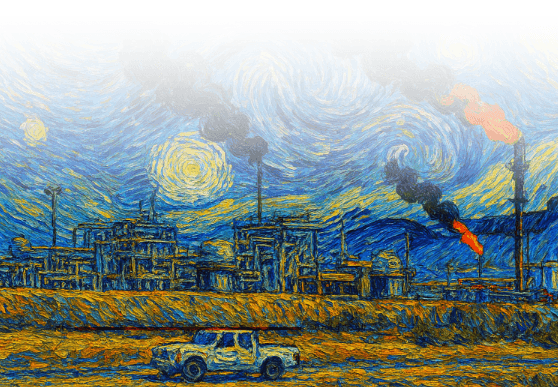
Health challenges, exacerbated by extreme weather events, are also a major driver of migration. Heatwaves and dust storms contribute to respiratory illnesses and waterborne diseases, placing an additional burden on Iraq's healthcare system. Polluted air from oil industries and the lack of access to clean drinking water are increasing health risks, leading to further social instability.
4.3 Socio-Economic Displacement
Environmental degradation has a profound socio-economic impact. The destruction of agricultural land, loss of livestock, and declining water resources push people into poverty. As rural livelihoods collapse, many seek refuge in cities or abroad, where they face new challenges such as inadequate housing, limited job opportunities, and cultural tensions.
4.4 Impact of Climate Change on Migration Decisions
Family dynamics significantly influence migration decisions in Iraq. Younger generations are more likely to view migration as a necessary escape from deteriorating conditions, while older generations may resist due to a deep emotional attachment to the land. These generational tensions complicate the migration process, with families often divided over whether to stay or leave.
4.5 Migration Decisions and Family Dynamics
The deep-rooted attachment to the land plays a key role in the migration decisions of many Iraqis. For older generations, the idea of abandoning their ancestral home is difficult to accept, even in the face of climate-induced challenges. However, the deteriorating environmental conditions often force younger family members to push for migration as a survival strategy.
5. Conclusion
Climate change is exacerbating existing vulnerabilities in Iraq, particularly in rural communities that rely on agriculture. The links between environmental degradation and migration are clear, with both internal and external migration rising as a result. These findings underscore the urgent need for the Iraqi government to take immediate action to mitigate the effects of climate change on vulnerable populations. Policies must focus on improving water management, promoting sustainable agricultural practices, and providing support for displaced communities.
International cooperation is also essential. The European Union and other international stakeholders must provide funding and expertise for climate resilience projects, while ensuring that migration policies protect the rights of those displaced. The time for action is now, as the impacts of climate change continue to intensify. Iraq must lead the way by prioritising climate adaptation policies and reducing the pressures driving migration.
6. Stakeholder Engagement
Efforts to tackle climate-induced migration must involve a coordinated approach, including the Iraqi government, international donors, the private sector, and civil society organisations. The Iraqi government should lead by implementing transparent and effective policies that address climate change and its impact on migration, while also ensuring that local communities are involved in the decision-making process. The private sector can contribute by promoting sustainable agricultural technologies that boost productivity. Civil society organisations play a crucial role in empowering local communities and advocating for climate resilience.
Article Information
Details
- Author:Rawan Barzan
- Published:October 3, 2025
- Issue:16
- Read Time:20 min
Need Custom Analysis?
Contact our research team to discuss your specific business landscape analysis needs.
Contact UsMore from 16