16•Article
We Completed 100% of Our Government Program Minister of Communications to "Business LANDSCAPE": We Broke the Monopoly... and Fiber Optic Cable Will Enter Every Home
Hiyam Al-YasiriOctober 3, 202520 min read
Article Summary
Minister Hiyam Al-Yasiri says the ministry hit “100%” of its program, broke long-standing monopolies, and is phasing out Wi-Fi in favor of FTTH—now ~4.5–5M lines—lifting revenues via anti-corruption, contract fixes, and projects like the Data Silk Road and transit/subsea links. She backs a state-funded, privately run national mobile operator and tighter postal/delivery oversight, but warns lasting progress needs modern telecom/cyber/privacy laws and steadfast, independent, transparent management.
We Completed 100% of Our Government Program
Minister of Communications to "Business LANDSCAPE": We Broke the Monopoly... and Fiber Optic Cable Will Enter Every Home
Special Report - Business LANDSCAPE
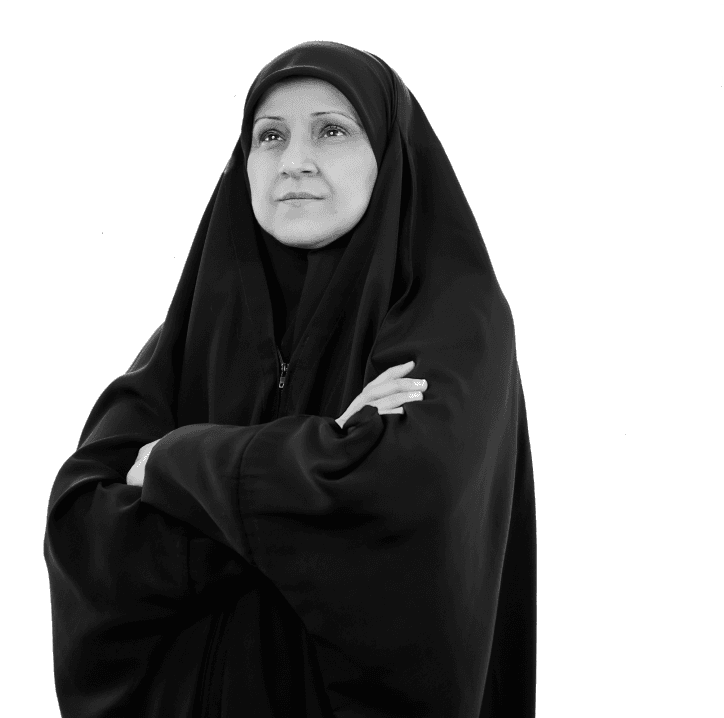
Minister of Communications, Hiyam Al-Yasiri, revealed that fiber optic lines in Iraq have reached nearly 5 million cables, attributing the poor internet service to the long-term reliance on the Wi-Fi infrastructure. She also accused local companies of greed and monopolizing the system for two decades.
Below is the full interview:
Interviewer: As the current government's term is coming to an end, if I asked you to name the single biggest and most complex challenge you faced in office, what would it be and why?
Al-Yasiri: We faced many challenges, but thankfully, we overcame them with sheer determination. The most difficult battle, however, was with the private sector companies. Our goal was to break their monopoly, introduce genuine competition, and transition Iraq from a reliance on Wi-Fi to a modern fiber optic network. The companies flatly rejected this, even telling us they intended to keep Iraq on Wi-Fi for another four or five years. This led to significant pressure and attacks against us, as these companies had strong backing from most political parties, and previous administrations had signed poor contracts with them that served no benefit to the state. Despite all this, we ultimately succeeded in signing an addendum to their contracts, allowing us to begin a gradual phase-out of Wi-Fi. Today, we have successfully deployed over 4.5 million fiber optic lines across Iraq.
Interviewer: You assumed your position at the ministry with a clear set of objectives. What has been achieved, and what remains to be done?
Al-Yasiri: Thankfully, every single one of the goals I set when I took office has been met. In fact, we have surpassed our initial expectations. While the government's term was short, we put in tremendous effort with an honest and dedicated team. Despite attempts to hinder our progress and disrupt our work, we completed the equivalent of 100% of our government program, especially considering the limited time we had.
Interviewer: What strategy did you adopt to increase the ministry's revenue?
Al-Yasiri: Our approach was not a singular strategy but rather a comprehensive package of initiatives. We began by prioritizing the fight against corruption and eliminating dishonest individuals at all levels, recognizing that corruption is a major obstacle to government revenue. Second, we conducted a thorough review of past contracts and amended them to better serve the state and increase income. Third, we worked to revitalize stalled projects, some of which had been dormant for 10 to 15 years, through personal oversight and practical solutions. We also relied on cost-cutting measures, recovering the ministry's debts from private sector companies, and held corrupt individuals accountable by referring them to the Commission of Integrity. We also launched strategic projects like FTTH (Fiber to the Home), the Road of Civilizations project with IQ company, in addition to transit and submarine cable projects, all of which significantly raised the ministry's revenues.
Interviewer: If you were to evaluate telecommunications services as a citizen before becoming a minister, what would your opinion be?
Al-Yasiri: They certainly were not up to par. Iraq deserves much better. For more than 20 years, the industry has relied on Wi-Fi due to the monopoly and greed of certain companies. Our vision is for fiber optic cable to reach every home and institution with high speeds and nearly free prices. Thankfully, we have laid the groundwork for this, and today we have reached 4.5 million lines. We have also started applying global SLA (Service Level Agreement) standards, and there is no turning back.
Interviewer: How do you view the Iraqi economy after 2003? Are we truly operating as a free-market economy?
Al-Yasiri: Iraq lacks a clear and stable economic identity following 2003. The legislation introduced by the Coalition Provisional Authority is inconsistent with the realities on the ground. You can not suddenly abolish the Public State companies and the army of employees and shift to full privatization overnight. Therefore, we have adopted a Public-Private Partnership (PPP) model as a moderate solution that balances the state's capabilities with leveraging the private sector.
Interviewer: Do you believe that launching a national mobile phone company is not in conflict with the principles of a free market and competition?
Al-Yasiri: Launching this company does not violate the free market at all. Today, there are many government companies operating in various sectors alongside private sector companies, and competition is open to all. The key issue in Iraq has become who can provide the best service at the most suitable price for the citizens, and this new company will be part of that competition.
As for the nature of this national mobile phone company, it is not a "government" company in the traditional sense; rather, it is a private company owned by government funds. It will not be given exceptional privileges compared to other companies, and it will operate under the same conditions, which is the core of fair competition.
Interviewer: What is the value of this project given that there are already three operating companies?
Al-Yasiri: This approach is common practice in many countries around the world, where a national operator has been introduced into the mobile market to enhance competition, improve service, and maximize revenues. Iraq has lagged far behind in this regard. The new company will not be a burden on the market; instead, it will restore a balance to the competitive landscape and provide consumers with more options.
Interviewer: Given the significant boom in delivery services, what role does your ministry play in regulating this sector?
Al-Yasiri: The Postal Law obliges us to regulate this sector. There is a state of genuine chaos, particularly with international mail, where prohibited materials that could threaten public security sometimes pass through. Our role is not to restrict, but to regulate in accordance with global standards and the agreements of the Universal Postal Union. We will ensure consumer protection, service quality, and prevent the serious violations that are currently occurring without oversight.
Interviewer: Do you have a clear vision for turning the digital economy into a source of job opportunities?
Al-Yasiri: Yes, and we have already started. The current government has genuinely adopted digital transformation through electronic payments, automation programs, e-signatures, and software development for government departments. We are also seeking to join the Digital Cooperation Organization and have submitted draft laws to support this direction. This transformation opens up wide opportunities for young people, enhances local production, and makes a tangible contribution to the national economy.
Interviewer: What about the legislative framework? Is it ready to keep pace with this transformation?
Al-Yasiri: Unfortunately, no. The telecommunications sector is one of the most underserved from a legislative standpoint. No special law has been enacted for it since 2011, and it has been completely forgotten in parliament despite the urgent need for it. Furthermore, no law for the Ministry of Communications has been approved, nor have laws for cybercrime or digital privacy protection. Worse, we still manage this sector with an administrative order issued by the Coalition Provisional Authority in 2004 (Order 65), which is inconsistent with the reality of Iraq or any country in the region.
Interviewer: If you were asked to send a message to the person who will lead the ministry after you, what would you say?
Al-Yasiri: Integrity is the most direct path to achieving success and generating revenue. It is crucial to select an honest team that is not susceptible to political pressure or interference from companies that are unwilling to operate with transparency. Anyone who stands up to corruption will face pushback, but taking a firm stance is the only way to build a strong and effective ministry.
Interviewer: Is the transformation that has been achieved an exceptional case? Or can it be established as a permanent path?
Al-Yasiri: We believe it must be a sustainable transformation. It is true that some circumstances were exceptional—for instance, as the current minister, I am a specialist who was given the autonomy to build my team without political interference, which is rare in Iraq. However, we leveraged this opportunity to successfully revitalize dormant projects and turn them into successes. We have also put in place long-term strategic plans that will last for decades. To ensure this momentum continues, we need a steady commitment to three things: competent management, independent decision-making, and transparency. All of this is possible if there is both political and professional will.
Article Information
Details
- Author:Hiyam Al-Yasiri
- Published:October 3, 2025
- Issue:16
- Read Time:20 min
Need Custom Analysis?
Contact our research team to discuss your specific business landscape analysis needs.
Contact UsMore from 16