13•Article
The Digital Economy of Iraq: A Proposed Model
KAPITA’s Research TeamSeptember 21, 202515 min read
Article Summary
A research summary on Iraq’s digital economy model. Covers government initiatives, sectoral transformations (telecom, fintech, edtech, medtech, tourism, agritech), and future outlook.
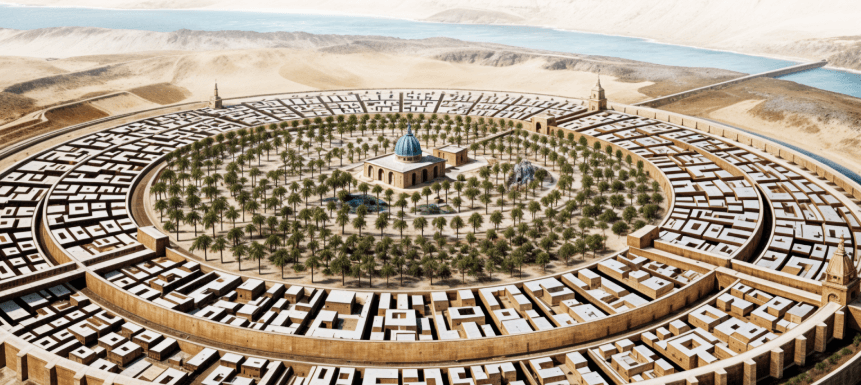
Throughout its rich history, Iraq has served as an enduring marketplace, drawing merchants from diverse corners of the Middle East for countless centuries. This historical role has established Iraq as a vital epicenter for trade, culture, and the exchange of ideas within the region. Situated at the intersection of Asia, Europe, and Africa, Iraq's geographical position, along with its abundant natural resources, presents it with a multitude of economic prospects. In the present day, Iraq is actively harnessing the power of the digital age, positioning itself as a prominent force propelling the growth of the digital economy throughout the region. The digital economy, an ever-evolving landscape characterized by technological innovation and the widespread adoption of digital solutions, has become a global phenomenon that is redefining the way nations engage in developing their financial infrastructures. This transformative drive is not confined to a single industry or sector but extends its influence across diverse fields, from finance and healthcare to education and entertainment.
In this research, we delve into the narrative of how Iraq, despite its unique set of circumstances and challenges, is leveraging the power of the digital economy to catalyze transformative changes across its economy and governance. To set the stage for a comprehensive analysis, we begin by defining the concept of the digital economy within the Iraqi context and examining how neighboring countries are approaching this domain. This foundational knowledge will facilitate a more nuanced assessment of Iraq's digital economy, considering the factors that both drive and impede its growth in our increasingly interconnected world.
Understanding the Digital Economy in Iraq
Definition
The digital economy represents a transformative force, marking the convergence of technology and the internet in shaping a new landscape of economic activity. It encompasses a vast network of businesses, organizations, and individuals who harness digital technologies and the Internet to create, exchange, and consume goods, services, and information. At its essence, the digital economy relies on data as its lifeblood, fueling innovation and informing decision-making. In contemporary terms, the digital economy encapsulates all economic activities conducted online, and not only those under the information and communication technology (ICT) umbrella. It is a data-centric economy where the ability to collect, utilize, and analyze vast amounts of machine-readable information empowers the delivery of personalized and meaningful experiences. The digital economy empowers companies to develop novel business models and generate economic value in ways that the traditional economy cannot facilitate. This shift from a conventional economy to a digital one entails several key distinctions, including the transition from paper-based and manual operations to technology-driven automation, a shift from tangible physical goods to intangible digital products and services, a move from brick-and-mortar retail to online electronic commerce (e-commerce), and the evolution from traditional cash transactions to cashless payment methods.
The digital economy is not merely a facet of modern economic life but a dynamic and transformative force shaping the future of commerce and society. Its influence continues to expand, redefining how businesses operate, how individuals interact, and how information flows across the globe. As technology and connectivity advance, the digital economy's significance is expected to grow, unlocking new opportunities for innovation, entrepreneurship, and economic growth. The digital economy is a concept that has emerged in recent years, and its definition continues to develop and adapt to the rapidly evolving technological landscape. In the early days, the focus was on the internet economy and e-commerce. However, today, the digital economy is much broader and includes all economic activities that are enabled or transformed by digital technologies.
Current Landscape
The current digital economy in Iraq is witnessing the following:
● Government-Led Digital Transformation: The Iraqi government continues to spearhead digital transformation efforts across various sectors, with a strategic emphasis on developing banking and financial services.
● Infrastructure Advancements for Next-Gen Connectivity: In anticipation of the impending era of 5G Internet connectivity, Iraq's internet and mobile networks are in the race to upgrade their infrastructures.
● Rising Public Awareness and Adoption of Online Solutions: The Iraqi populace is rapidly embracing the advantages of online services, including the convenience of e-commerce and seamless financial transactions with bank cards.
Proposed Digital Economy Model
The digital economy in Iraq refers to the economic activities, transactions, and interactions that are facilitated by digital technologies, including the internet, computing devices, software applications, and data. It encompasses the production, distribution, and consumption of goods and services in a digitally connected and data-driven environment, as well as the transformation of traditional industries and business processes through the adoption of digital technologies. In the Iraqi context, the digital economy transcends the boundaries of sectors directly associated with it, such as telecommunications and media, and has permeated various facets of the nation's economy. This transformation has had far-reaching implications, extending its influence into numerous industries, including but not limited to the following:
● Telecommunications: refers to the technology and infrastructure used for communication over long distances within Iraq and internationally and is segmented into Internet Service Providers (ISP) and Mobile Network Operators. It encompasses various communication services, including voice, data, and multimedia transmission. Like the rest of the world, the telecommunications sector in Iraq plays a crucial role in connecting people, businesses, and government entities, facilitating information exchange and economic development.
● E-commerce: E-commerce platforms like Miswag have revolutionized the retail industry in Iraq. These platforms provide a convenient way for consumers to shop for a wide array of products online, offering a diverse selection of goods that might not be readily available in traditional brick-and-mortar stores. This has significantly transformed consumer buying habits and expanded market reach for businesses.
● Fintech: Fintech services like Qi, Zain Cash, and Asia Hawala have transformed the financial landscape in Iraq. These services enable secure and convenient digital transactions, including mobile payments, peer-to-peer transfers, and online banking. This has expanded financial inclusion and access to financial services for a broader segment of the population.
● Edtech: The digital economy has had a significant impact on the education sector in Iraq. E-learning platforms like Najeh have emerged as a vital component following the COVID-19 pandemic, allowing students to access a wide range of educational resources and courses online. This not only enhances access to quality education but also empowers lifelong learning, enabling individuals to acquire new skills and knowledge.
● Ride-hailing: The digital economy has brought significant changes to the transportation sector. Ride-hailing services like Baly have not only made urban transportation more efficient but have also created opportunities for individuals to earn income as drivers. Additionally, digital platforms have enhanced accessibility and convenience in
Transportation services.
● Medtech: The healthcare industry in Iraq has witnessed the integration of digital solutions. Innovations such as doctor appointment schedulers like Razi have streamlined patient-doctor interactions and improved the overall quality of healthcare services. Telemedicine and health information systems have also become integral parts of healthcare delivery.
● Tourism: The tourism industry in Iraq has also embraced digital solutions. Electronic booking platforms like Sindibad have made it easier for travelers to plan their trips, book accommodations, and access information about tourist destinations. This has boosted tourism and improved the overall traveler experience.
● Agritech: Most recently, the agricultural sector has begun to benefit from digital solutions. Innovations in precision agriculture and supply chain management have allowed farmers to improve crop yields and reduce waste. Mobile apps and online platforms attempts are being explored to connect farmers with markets and resources, making agriculture more efficient and sustainable.
Future Outlook
The digital economy in Iraq is expected to experience the following:
● Comprehensive E-Government Initiatives: Complete digitization of government operations through robust E-Government initiatives.
● Global Partnerships for Infrastructure Growth: Surge in international investment and partnerships to foster infrastructure development.
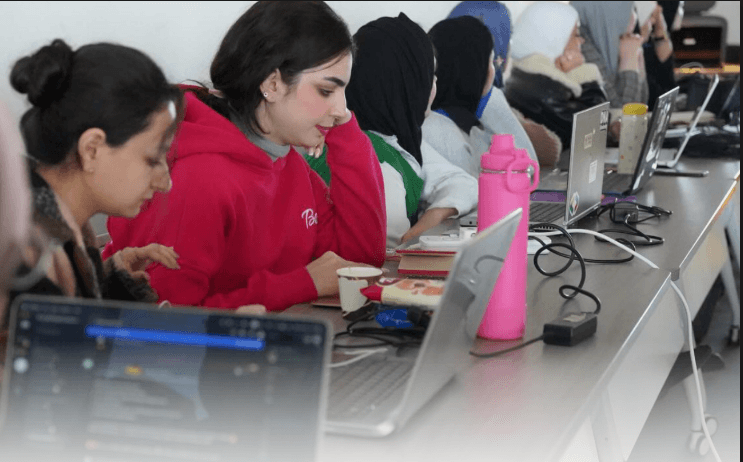
● Digital Skills Development Programs: Implementation of comprehensive programs to upskill the workforce in digital technologies. In addition to ffocusingcus on education andtraining initiatives to meet the evolving demands of the digital economy.
Article Information
Details
- Author:KAPITA’s Research Team
- Published:September 21, 2025
- Issue:13
- Read Time:15 min
Need Custom Analysis?
Contact our research team to discuss your specific business landscape analysis needs.
Contact UsMore from 13