13•Article
The Push for Progress and the Pull of Opportunity: Iraq’s Digital Journey
KAPITA’s Research TeamSeptember 21, 20255 min read
Article Summary
Explores Iraq’s digital transformation journey, balancing challenges and opportunities. It discusses infrastructure gaps, regulatory hurdles, and talent shortages, while also highlighting opportunities for growth through e-commerce, fintech, and government digitalization.
For over two decades, numerous experts have underscored the critical importance of digital transformation and developing a digital economy in Iraq. Iraq presents several success stories in both the public and private sectors, with high mobile and internet penetration rates and advancements in the public sector. This makes the current landscape more conducive than ever for digital transformation.
Several factors contribute to the current momentum towards this transformation. Some factors serve as push factors arising from existing challenges that necessitate digital solutions. Others serve as pull factors, presenting significant opportunities that drive the transformation forward.
Understanding these factors and their individual impacts is crucial to accelerating the process of digital transformation in Iraq.
The Push Factors for Digital Transformation in Iraq:
● Economic Diversification Needs
Iraq's economy is heavily reliant on the oil sector, making it vulnerable to volatile global oil prices. This underscores the urgent need for diversification. Digital transformation offers a pathway to develop other critical sectors, such as agriculture, education, and healthcare. By integrating digital solutions, Iraq can drive growth and create sustainable job opportunities beyond the oil industry.
● Youth Unemployment
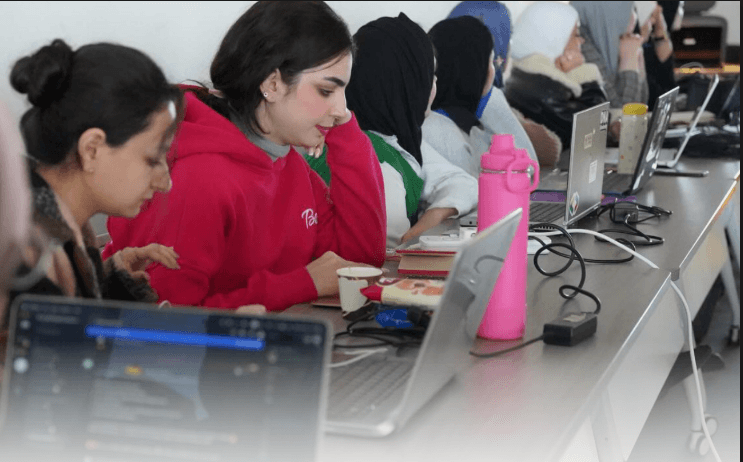
With a strikingly young population facing high unemployment rates, Iraq needs to harness the potential of its young workforce. Digital transformation can create numerous job opportunities in the digital economy.
● Bureaucratic Inefficiencies
Bureaucratic processes have long been a bottleneck in Iraq’s public administration. Digital transformation can streamline these processes, reducing delays and improving efficiency. Implementing e-governance solutions can make public service delivery more effective and citizen-centric.
The Pull Factors for Digital Transformation in Iraq:
● Improved Connectivity
Enhancements in internet and mobile connectivity are fundamental to Iraq’s digital transformation. Better connectivity supports the proliferation of digital platforms and technologies, enabling efficient communication, data transfer, and online transactions. It also facilitates remote work and access to online services, crucial in today’s globalized world.
● Growing Tech-Savvy Population
Iraq’s young and tech-savvy population is a key driver of digital transformation. This demographic trend creates a conducive environment for digital innovation and entrepreneurship.
● International Support and Funding
International organizations and donors have shown a strong commitment to supporting Iraq’s digital transformation. Financial aid, technical expertise, and resources from these entities provide a solid foundation for Iraq to undertake ambitious digital projects. This support is crucial in overcoming financial and technical barriers, making digital transformation more feasible.
● Access to Global Markets
Digital transformation can significantly enhance Iraq’s access to global markets, enabling businesses to expand their reach and compete on an international scale. Improved digital infrastructure facilitates e-commerce, attracts foreign investments, and integrates Iraqi businesses into the global supply chain, driving economic growth and diversification.
● Economic Opportunities
The potential for growth in sectors such as fintech, e-commerce, and digital healthcare is a significant pull factor. These sectors offer lucrative opportunities for investment and development, fostering innovation, driving economic growth, and improving the quality of life for Iraqi citizens.
Strategies to Address the Push and Pull Factors in Iraq:
1. Building Foundations for Digital Advancement
a. Infrastructure Development
Investing in upgrading digital infrastructure, including broadband internet, is critical to support digital initiatives across sectors. Enhanced connectivity will provide the backbone for digital services, enabling efficient communication and online transactions.
b. Education and Skills Training
Implementing digital literacy and skills training programs is vital to prepare the workforce for the demands of the digital economy. Educational initiatives should focus on developing competencies in areas such as coding, cybersecurity, and digital marketing to equip individuals with relevant skills.
c. Developing Robust Cybersecurity Infrastructure
As Iraq moves towards a more digital economy, the importance of cybersecurity cannot be overstated. Developing robust cybersecurity infrastructure is crucial to protect sensitive data and ensure the integrity of digital transactions. This includes training cybersecurity professionals and implementing stringent data protection laws.
2. Strengthening Governance, Compliance, and Sustainability
a. Policy and Regulatory Framework
Developing and enforcing clear policies and regulations that support digital transformation is essential. This includes creating legal frameworks for data protection, cybersecurity, and e-commerce, providing a secure and reliable environment for digital activities.
b. E-Governance Initiatives
Launching e-governance projects can improve public service delivery, transparency, and citizen engagement. Digital platforms can streamline government processes, making them more efficient and accessible to the public.
c. Ensuring Compliance and Enforcement
Ensuring compliance with these regulations is equally important. This requires building the capacity of regulatory bodies to monitor and enforce compliance, as well as educating businesses and the public on their legal obligations.
d. Encouraging Sustainable Practices
As Iraq’s digital economy grows, it is important to encourage sustainable practices. This includes promoting the use of renewable energy in data centers, reducing electronic waste, and ensuring that digital initiatives contribute to overall environmental sustainability.
3. Fostering Ecosystem Innovation
a. Investing in Innovation and R&D
Investing in research and development (R&D) is key to fostering innovation within Iraq’s digital economy. Establishing R&D centers and providing grants for innovative projects can help develop homegrown technologies and solutions tailored to Iraq’s unique needs.
b. Support for Startups
Creating a supportive ecosystem for startups and innovation through incubators, accelerators, and funding opportunities is crucial. Fostering entrepreneurship will stimulate economic growth and create new job opportunities in the digital sector.
4. Leveraging Collaboration and Partnerships
a. Public-Private Partnerships
Encouraging collaboration between the government, private sector, and international organizations can drive digital projects and investments. Public-private partnerships can leverage resources, expertise, and technology to implement large-scale digital initiatives.
b. Regional Collaboration
Engaging in regional collaborations and partnerships can facilitate knowledge sharing, resource pooling, and best practice exchange in digital transformation. Collaborative efforts with neighboring countries can enhance Iraq’s digital capabilities and integration into the regional digital economy.
c. Utilizing International Expertise
Iraq can leverage the expertise of international organizations and countries with advanced digital economies to guide its transformation. Collaborations with global tech firms, participation in international forums, and adoption of best practices can accelerate Iraq’s digital development.
Article Information
Details
- Author:KAPITA’s Research Team
- Published:September 21, 2025
- Issue:13
- Read Time:5 min
Need Custom Analysis?
Contact our research team to discuss your specific business landscape analysis needs.
Contact UsMore from 13